 Skip to main content
Mold in Your Cyprus Home: Poor Ventilation or Leak?
Every winter in Cyprus, the same scenario repeats: as soon as temperatures drop and the first heavy rains sweep across Paphos and Limassol, they appear. Black spots in the upper corners of rooms, a musty smell behind the wardrobe, and mold around the windows.
Immediately, the classic blame game begins: the landlord claims the tenants aren’t ventilating properly. The tenants are convinced the roof is leaking or a pipe inside the wall has burst.
But who’s right? As experts in non-destructive building diagnostics in Cyprus, we know the answer:
Cause 1: Condensation and the Cypriot “Gas Heater Effect”
Most houses in Cyprus are built for the hot summer, not for the cold and damp winter. The structural framework often consists of uninsulated concrete, and the walls are made of simple hollow blocks.
The building physics problem:
In winter, these walls cool down significantly. When indoor humidity rises – from cooking, showering, breathing, or using the typical portable gas heaters (which produce enormous amounts of water vapor during combustion) – the following happens: the warm, humid indoor air meets the ice-cold wall surfaces.
This is where the so-called dew point is reached. The moisture in the air condenses directly on the wall. This creates a damp film that provides the perfect breeding ground for mold.
Typical symptoms of pure condensation mold:
Cause 2: Actual Water Damage and Construction Defects
Not all mold is a ventilation problem. After the extremely hot Cypriot summer, many flat roofs, joints, and facades have developed cracks from intense UV radiation. When the winter driving rain sets in, the hollow block masonry soaks up water like a sponge.
Undetected leaks in water pipes or missing silicone seals in walk-in showers also continuously push water into the building fabric.
Typical symptoms of structural moisture damage:
- The paint bubbles and peels off in large areas (moisture pushes from the inside out).
- White, fluffy salt efflorescence forms on the wall surface.
- The mold follows cracks or spreads extensively near floor level (skirting area).
Painting Over It Is Negligent – Measuring Brings Certainty
A bucket of anti-mold paint from the hardware store (“Cyprus repair”) won’t solve the problem. If there’s a real leak, the mold will return within weeks – and endanger your health (especially the respiratory systems of children and infants).
How we settle the dispute:
Instead of smashing tiles or blindly repainting, we use TÜV-certified, non-destructive diagnostics:
01
Indoor Climate & Dew Point Analysis
We measure precisely whether the wall is too cold for the indoor air (identifying thermal bridges).
02
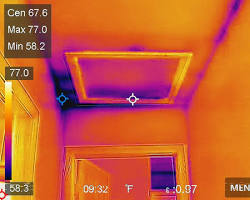
Thermography (Thermal Imaging)
Using high-resolution FLIR cameras, we make hidden moisture pockets, cold air drafts, and concealed pipe routes behind walls visible.
02
Capacitive Moisture Measurement
We scan the masonry deep below the surface. This tells us precisely whether the wall core is wet (water damage) or only the surface is damp (condensation).
Conclusion: Get the Data Before You Argue
Whether you’re a tenant who needs to prove to your landlord that the property has defects, or a landlord who wants to make sure your property isn’t suffering from a structural pipe burst: don’t rely on guesswork.
Have you discovered dark spots or peeling paint on your walls? Contact WATERHAWK Diagnostics for a professional, non-destructive moisture inspection in Cyprus. We deliver a legally sound, data-driven report that uncovers the true cause.
